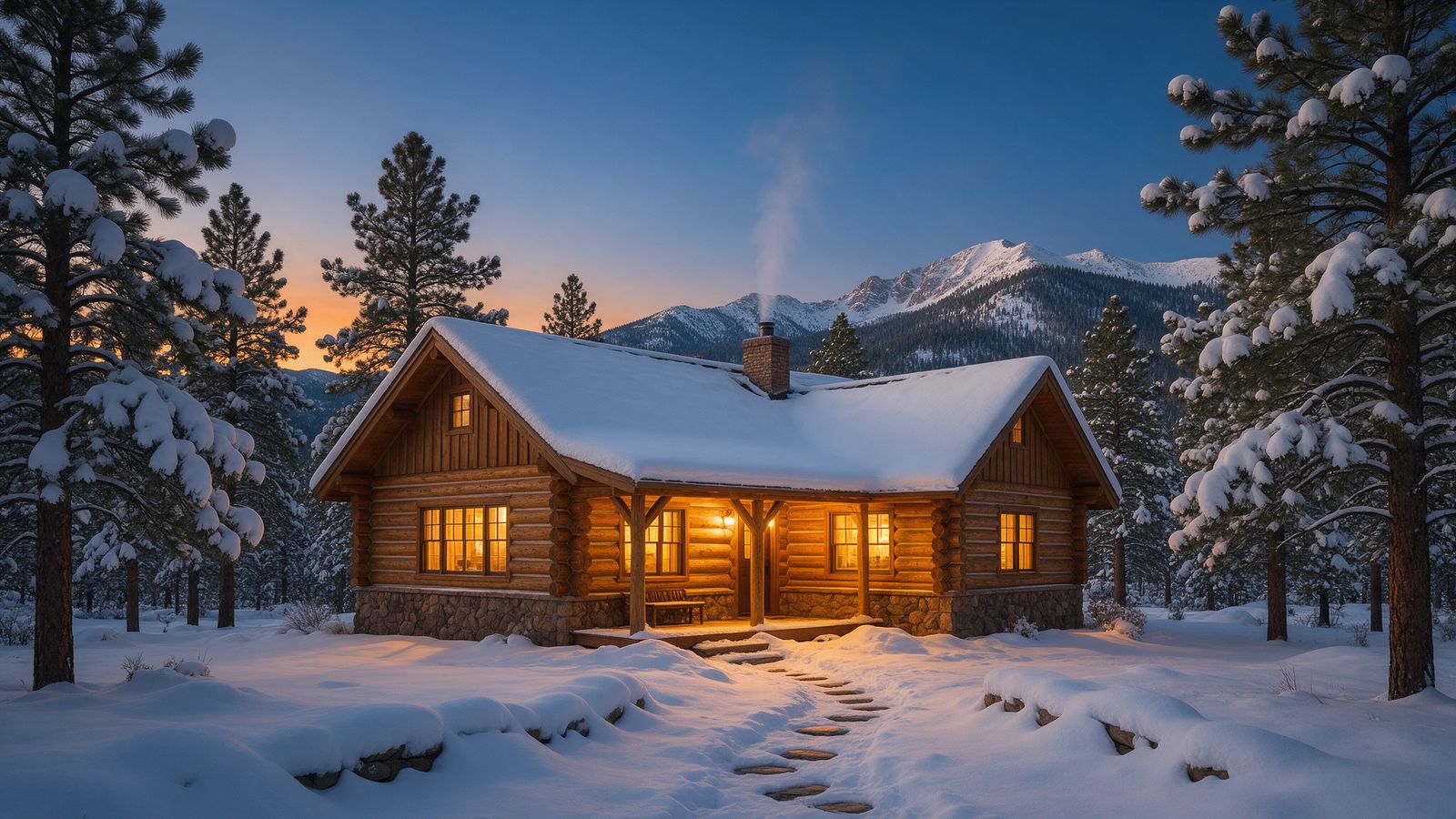
Prepare the chimney before regular winter use by confirming its inspection status, completing required repairs and reviewing how the household operates the appliance. Keep alarms, fuel storage, ash handling and exterior exhaust openings in the same seasonal routine. A checklist is useful only when it leads to completed work; checking a box does not make an unresolved defect safe.
For Colorado homes, winter also changes access and weather exposure. Snow, ice and wind can affect terminations, while colder conditions can expose draft or moisture problems. Plan maintenance early enough that the fireplace can remain off if inspection finds something that needs repair. Avoid relying on a single appliance without understanding its limits.
Confirm the inspection and service record
Locate the latest report and read the recommendations, not just the service date. Was the chimney inspected, swept or both? Were repairs required before use? Were any areas inaccessible? CSIA summarizes annual inspection guidance with cleaning and repairs when necessary.[1]
If there is no reliable history, arrange an appropriate inspection before regular fires. A new home purchase, changed appliance or suspected chimney fire can require a different scope from routine continued use. Explain those circumstances when booking so the visit answers the relevant question.
Keep manuals, appliance labels and repair records together. Record who completed each unresolved item and where the verification is stored. The household should not have to rely on one person's memory to know whether the fireplace is ready for use.
Check alarms and the escape plan
Test smoke and carbon monoxide alarms according to their instructions, replace batteries or units when required and confirm that everyone recognizes the signals. Carbon monoxide has no smell, so an odor free room is not evidence of safe combustion.[2]
Review exits and an outdoor meeting location. Keep paths clear of firewood, furniture and seasonal decorations. Discuss who assists children or anyone needing help. A plan should work at night and when the usual fireplace operator is not home.
If a carbon monoxide alarm activates, leave the building and contact emergency services from outside. If a chimney fire is suspected, evacuate and call 911. Do not delay to inspect the firebox, retrieve belongings or test whether another control setting changes the problem.
“Winter readiness means a sound venting system, suitable operating habits and a household that knows how to respond.”
Prepare dry approved fuel
For wood appliances, use only the fuel the manual permits. EPA recommends dry wood and explains how moisture testing can improve fuel decisions.[3] Check freshly split interior surfaces rather than judging only by bark, sound or the seller's seasoning claim.
Store the main supply where it remains ventilated and protected from wetting. Follow current defensible space guidance for separation from the house. Bring only a manageable amount indoors and keep it outside required appliance clearances. A convenient stack should never block an exit.
Do not burn household waste, treated lumber or leftover construction materials. Manufactured firelogs require specific approval for the appliance and loading method. Prepare proper kindling so a difficult startup does not tempt someone to use an accelerant.
Review the appliance before the first regular fire
Inspect user accessible components only when the appliance is cool and the manual permits it. Check that doors, barriers and controls are present and operate as instructed. Report damaged glass, loose panels or missing parts before use. Do not substitute an improvised component to get through a cold weekend.
For gas appliances, review ignition and shutdown instructions. Soot, delayed ignition or repeated shutdown requires service. Do not move decorative logs or media unless the manual specifically directs the user to do so; placement can affect operation.
For wood appliances, review air controls and loading limits. Do not force a large load into prolonged smoldering or overfire to compensate for a cold room. If normal operation does not meet the heating need, evaluate the appliance and building rather than developing an unsafe workaround.
Use a practical seasonal checklist
| Check | What completion looks like | When to revisit |
|---|---|---|
| Inspection | Written findings reviewed and required work completed | Annually and after relevant changes |
| Alarms | Tested and within replacement life | Per manufacturer instructions |
| Fuel | Approved, dry and safely stored | Each delivery and during use |
| Hearth area | Required clearances and exits remain open | Before every fire |
| Terminations | No observed blockage or damage | After storms or changed operation |
| Dryer exhaust | Maintenance current and discharge unobstructed | Per appliance guidance and symptoms |
Assign tasks to specific household members when useful. A shared checklist works better than assuming someone else tested the alarms or moved the decorations away from the hearth.
Watch the chimney top from a safe location
Look for a displaced cap, hanging metal, obvious masonry damage or debris after a storm. Stay on the ground and do not climb an icy roof. If the termination may be obstructed or damaged, keep the appliance off and arrange professional inspection.
Snow and ice can affect different vent arrangements differently. Follow the appliance's instructions for maintaining exterior openings, especially low wall terminations. Do not chip, bend or modify a termination to clear it. A damaged component may need evaluation even after the visible obstruction is gone.
Water stains after a thaw should also be reported. Melting snow can reveal a crown, flashing or chase cover problem. Record the conditions and location before painting or drying obscures the pattern. The repair should identify the entry route rather than apply the same sealant everywhere.
Keep ashes and combustibles under control
Ashes can retain heat after flames disappear. Follow fire safety guidance for placing cooled ashes in a covered metal container outdoors, away from combustible materials.[4] Do not put ash into a cardboard box, plastic bin or ordinary household trash because it appears gray.
Maintain the clearances specified for the appliance and hearth. Seasonal stockings, furniture, baskets and toys can gradually move into a space that was clear at installation. Check the normal room arrangement, not only the setup immediately before a service appointment.
Keep required glass barriers and screens in place. Surfaces can remain hot after shutdown. Teach children and visitors the boundary, and do not rely on the absence of visible flame as a sign that touching is safe.
Include the dryer vent without confusing the systems
A dryer duct carries heat, moisture and lint rather than fireplace exhaust. It needs its own maintenance. USFA advises cleaning the lint filter and dryer vent ductwork as part of fire prevention.[5] Follow the dryer manufacturer's instructions and address changed performance promptly.
Longer drying times, excessive heat or a burning smell may indicate restriction or appliance trouble. Stop and investigate rather than running repeated cycles. Keep the exterior outlet clear, and do not add a screen that can trap lint without checking applicable requirements.
Winter snow can obstruct low outlets. Clear the surrounding area safely and report damaged dampers or ducts. A chimney inspection does not certify the dryer path, even if the same company offers both services.
Keep the service contact information available to everyone who uses the appliance. Record where the gas shutoff or electrical disconnect is located when the manual calls for user awareness, and distinguish routine shutdown from emergency evacuation. A brief preseason walkthrough is useful after household changes, guests arriving for an extended stay or installation of a different fireplace with unfamiliar controls and operating requirements.
Plan for outages and absences
Read the appliance manual for operation without household power. Some burners continue while blowers stop; other equipment depends on powered controls. Pellet systems have their own electrical needs. Use only approved backup arrangements and never bypass safety devices.
Do not use an outdoor grill, generator or other unsuitable combustion device indoors for emergency heat. Keep a realistic backup plan that follows public safety guidance. The fireplace should not be pushed beyond its approved operation because another heating system is unavailable.[2]
Before leaving or going to sleep, follow the appliance's shutdown and supervision requirements. Make sure every user understands when a damper can be closed and when coals may still be producing combustion gases. Household routines should match the equipment rather than a general rule remembered from another fireplace.
Parker Homestead Chimney's inspection, sweeping and dryer vent pages are the appropriate places to arrange seasonal maintenance. Share unresolved findings and describe any changed behavior when booking. Completing the checklist before sustained cold weather gives the household time to make repairs and use the system with a clear understanding of its condition.
Sources and further reading
- Chimney Safety Institute of America Homeowner Resources
- US Consumer Product Safety Commission Carbon Monoxide Fact Sheet
- US EPA Burn Wise Facts Figures and Health and Safety Tips
- US Fire Administration Heating Fire Safety
- US Fire Administration Basement and Garage Fire Safety
EPA Burn Wise pages are retained as historical technical guidance. Verify current regulations and incentive terms with the responsible authority.
Sources accessed October 15 2026. Product manuals and applicable local requirements control specific installations.